
Best overall for electronic bonds: TreasuryDirect. Best for missing paper bonds: FS Form 1048. Best for inherited bonds: TreasuryDirect’s deceased-owner guidance. Best for organizing a broader search: Owedtoday. These unclaimed savings bonds search tools serve different jobs in 2026: finding account records, requesting a Treasury search, handling ownership, and keeping track of your next step.
- TreasuryDirect is the best starting point for electronic US savings bonds held in your account.
- FS Form 1048 is the Treasury route for lost, stolen, or destroyed paper savings bonds.
- Inherited savings bonds require ownership instructions, not just a name search.
- Owedtoday helps organize unclaimed-money searches and claims; it does not replace Treasury’s bond records.
Why this matters
A savings bond is a federal obligation, not an ordinary forgotten bank balance. A state unclaimed-property search does not replace a search through the US Treasury’s savings-bond process.
The right starting point depends on what you already know. An electronic bond, a missing paper certificate, and a bond registered to someone who died require different actions. Searching the same name on more websites does not resolve those differences.
For your 2026 search, separate two questions: Where is the bond record, and who has authority to claim or manage it? Finding a record does not, by itself, establish ownership.
What makes the best savings bond search tools
Use these criteria before choosing a route:
- Record access: Does the option show Treasury-held account records, or only help you organize a search?
- Bond format: Does it address electronic bonds, missing paper bonds, or both?
- Ownership fit: Does it match your role as owner, surviving registrant, beneficiary, or estate representative?
- Useful next action: Does it produce an account record, a search request, or instructions you can follow?
- Clear limits: Does it distinguish official Treasury action from private search assistance?
No option wins every category. A planning tool cannot determine Treasury ownership, while an official form does not organize your unrelated state, retirement, or court searches.
Unclaimed savings bonds search tools at a glance
| Rank | Tool or route | Best for | Standout function | Key limitation |
|---|---|---|---|---|
| 1 | TreasuryDirect account | Electronic bonds in your account | Access to account holdings and records | Not a public name-search directory |
| 2 | FS Form 1048 | Missing paper bonds | Official claim process for lost, stolen, or destroyed bonds | Requires identifying information and Treasury review |
| 3 | TreasuryDirect deceased-owner guidance | Inherited bonds | Instructions based on registration and ownership circumstances | Does not establish your authority by itself |
| 4 | Owedtoday | Organizing a broader unclaimed-money search | Personalized search lists and claim tracking | Not a government agency or Treasury ownership record |
These are different routes, not interchangeable search engines. Choose the row that matches the bond and your relationship to its owner.
1. TreasuryDirect: best for electronic savings bonds
TreasuryDirect is the US Treasury’s online system for holding and managing electronic savings bonds. If you bought bonds through your TreasuryDirect account, start with that account rather than a general unclaimed-money website.
Review the account’s holdings and records. If you cannot sign in, use TreasuryDirect’s account-access assistance instead of treating an inaccessible account as proof that the bonds are missing.
TreasuryDirect pros:
- Gives you access to electronic holdings in your account.
- Keeps the search connected to the agency responsible for savings bonds.
- Separates account access from the process for missing paper certificates.
TreasuryDirect cons:
- Does not let you search everyone’s holdings by name.
- Requires account access or help resolving an access problem.
- Does not automatically establish your rights to another person’s bonds.
Best for: Owners looking for electronic savings bonds associated with their TreasuryDirect account.
For a 2026 search, record what the account actually shows: bond series, issue information, registration, and status. Do not assume that an empty account rules out paper bonds purchased elsewhere or bonds registered under another ownership arrangement.
Verdict: Use TreasuryDirect first for electronic bonds; skip public people-search sites for account records.
2. FS Form 1048: best for missing paper savings bonds
FS Form 1048 is the Treasury form for claims involving lost, stolen, or destroyed US savings bonds. It is a formal request, not an instant lookup service.
The form asks for information that helps identify the bonds and their registration. Serial numbers help, but Treasury’s instructions also address requests when serial numbers are unknown. Supply the details you have rather than inventing missing information.
FS Form 1048 pros:
- Addresses missing paper bonds through an official Treasury process.
- Provides a structured way to submit identifying details.
- Includes instructions for circumstances where serial numbers are unavailable.
FS Form 1048 cons:
- Does not return an immediate online search result.
- Incomplete or uncertain details require careful explanation.
- Requires you to follow the form’s signing and certification instructions.
Best for: People who believe paper bonds existed but cannot locate the certificates.
Before submitting anything, gather the owner’s full name, names used when the bonds were purchased, relevant identifying information, and approximate purchase details. Use the current form and instructions in 2026; an old saved copy is not your authority for today’s submission requirements.
Keep a copy of what you submit and a separate record of the submission date. Follow Treasury’s instructions for any additional documents or response.
Verdict: Use FS Form 1048 for missing paper bonds; skip repeated general searches once you need a Treasury records search.
3. TreasuryDirect deceased-owner guidance: best for inherited bonds
TreasuryDirect’s deceased-owner guidance explains how savings bonds are handled after an owner dies. The right procedure depends on the bond’s registration and the circumstances of the estate.
Start by reading the registration exactly as written. A surviving co-owner, a named beneficiary, and an estate representative do not necessarily follow the same process. Your family relationship alone does not determine the correct route.
TreasuryDirect deceased-owner guidance pros:
- Connects the next action to the ownership arrangement.
- Distinguishes estate questions from an ordinary missing-bond search.
- Directs you toward the applicable Treasury instructions and documentation.
TreasuryDirect deceased-owner guidance cons:
- Does not replace proof of death or legal authority when required.
- Cannot resolve unclear registration from a family recollection alone.
- Requires additional work if the certificates or account details are also missing.
Best for: Surviving registrants, beneficiaries, and estate representatives checking bonds connected to someone who died.
For inherited bonds in 2026, keep discovery and authority separate. First document what you know about the bonds; then identify who can act under Treasury’s instructions. If you also need to locate missing paper bonds, the missing-bond process and deceased-owner instructions must be considered together.
Verdict: Use TreasuryDirect’s deceased-owner guidance before submitting an inherited-bond request; skip assumptions based only on kinship.
4. Owedtoday: best for organizing an unclaimed-money search
Owedtoday is a self-service web tool that helps US individuals build a personalized search list and track claims across state, federal, retirement, and court sources. Its role is organization, not issuing an official decision about a savings bond.
Owedtoday is best for people who want to organize an unclaimed savings bonds search alongside other unclaimed-money searches. Keep Treasury’s instructions as the authority for bond records, ownership, and the action required.
Owedtoday pros:
- Helps build a personalized search list.
- Supports claim tracking across different unclaimed-money sources.
- Gives a broader search an organizing structure beyond a single bond inquiry.
Owedtoday cons:
- Is not a government agency.
- Does not replace Treasury account records or official forms.
- Cannot establish your legal entitlement to a bond.
Best for: People managing several possible sources of money that is already theirs.
Official unclaimed-money searches and claims are free. A private tool is optional; it is not a required step for submitting an official claim. Never treat a planning entry or a possible match as confirmation that money belongs to you.
Verdict: Use an organizer when tracking is the problem; skip it as a substitute for Treasury verification.
How to run your search without repeating work
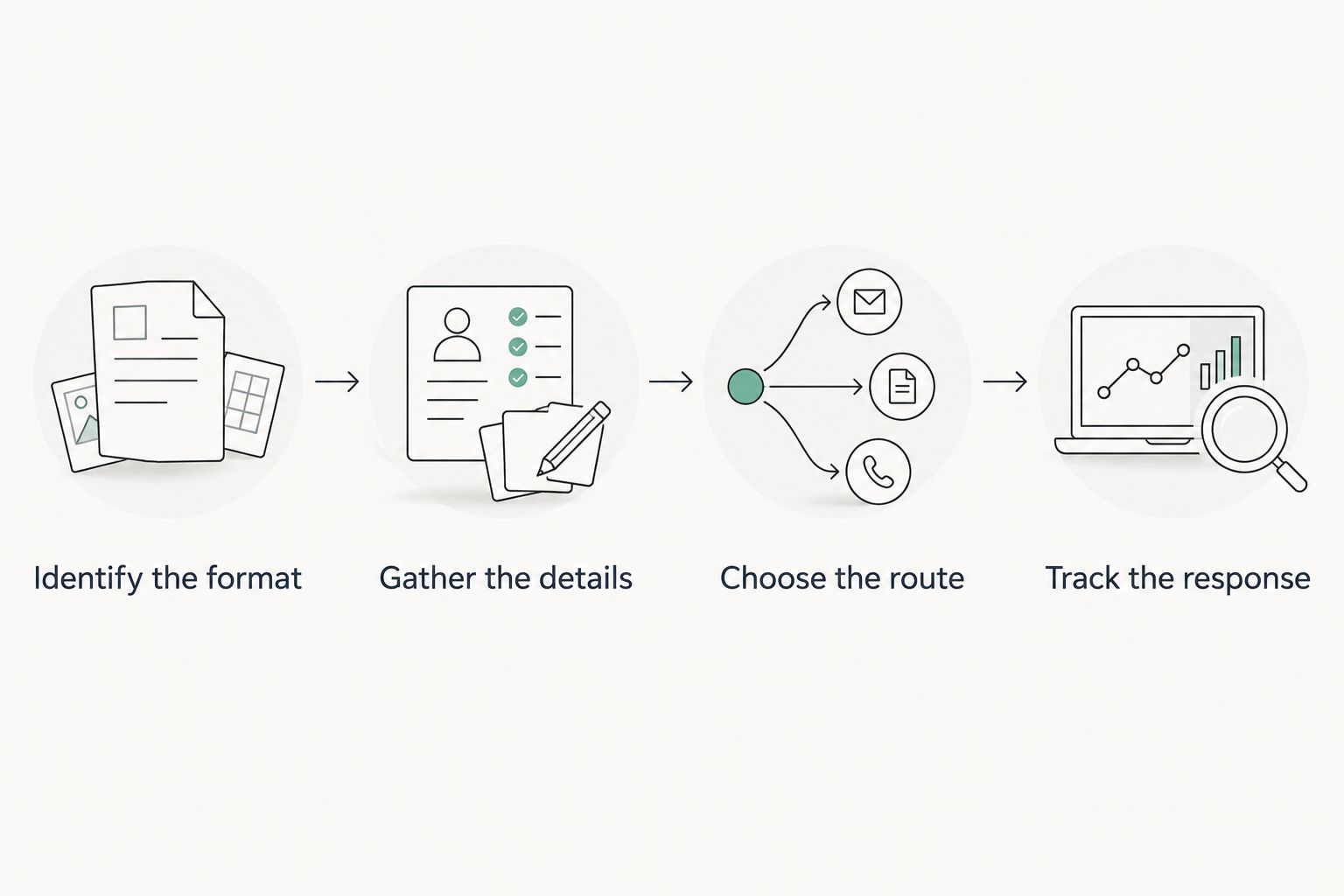
A useful 2026 search follows a sequence. Finish the identification step before choosing a form, and keep unresolved questions visible rather than silently filling in the blanks.
Identify the format
Write down whether the bonds were electronic, paper, or unknown. Record the source of that information, such as an account record, a certificate copy, or a family recollection. Treat a recollection as a lead, not proof.
Gather the details
Collect names, registration information, approximate purchase dates, and any serial numbers you have. Keep sensitive identifying information in a secure place. Do not publish certificate photos or full identifying details in an online request for help.
Choose the route
Use TreasuryDirect for your electronic account, FS Form 1048 for missing paper bonds, and deceased-owner instructions when an owner has died. If more than one situation applies, read the relevant instructions together before submitting.
Track the response
Save the request, submission date, reference information, and any follow-up instructions. Keep a search result separate from a submitted request and a completed claim. These are different stages, not different names for the same outcome.
A single tracking row per bond or unresolved lead keeps the record readable. If Treasury asks for additional information, add that request to the existing entry instead of starting a disconnected search.
How these options are ranked
The ranking puts direct access to official records first, followed by the official missing-paper process, ownership guidance, and search organization. Each option wins a distinct task under the criteria above.
This is a fit-based ranking, not a claim that one service finds more money than another. Account access, a missing certificate, and an inheritance question need different evidence and different actions.
Which savings bond search route should you choose?
Start with TreasuryDirect if you expect electronic bonds in your account. Choose FS Form 1048 when paper certificates are missing. Read deceased-owner guidance first when someone has died, because authority affects what you can request.
Use a tracking tool when your search spans several sources or unresolved leads. Do not add websites simply to make the search feel more thorough. The useful next step is the one that addresses the missing record or ownership question.
FAQ
What are the best unclaimed savings bonds search tools in 2026?
TreasuryDirect is the best starting point for electronic holdings, and FS Form 1048 is the official route for missing paper bonds. Use TreasuryDirect’s deceased-owner guidance for inherited bonds and an organizer for tracking separate searches.
Can I search for someone else’s savings bonds by name?
TreasuryDirect is not a public directory of everyone’s savings bonds. Requests involving another person’s bonds depend on registration, your authority, and the applicable Treasury instructions.
Can I find lost savings bonds without serial numbers?
Treasury’s FS Form 1048 instructions address missing bonds when serial numbers are unknown. Provide the identifying and purchase information you have, and explain uncertainties rather than guessing.
Will a state unclaimed-property search find all my savings bonds?
No. A state unclaimed-property search does not replace Treasury’s savings-bond records and procedures. Search state sources for other property, but handle savings-bond questions through Treasury.
How long do savings bonds earn interest?
Series EE and Series I savings bonds earn interest for up to 30 years; Series HH bonds earn interest for up to 20 years. Confirm the series and issue date before assessing a particular bond’s interest status.
Do I need a private tool to claim unclaimed money?
No. Official unclaimed-money searches and claims are free, and a private organizer is optional. Use official instructions to determine what documents and actions a particular claim requires.
What should I do if I find savings bonds belonging to a deceased relative?
Read TreasuryDirect’s deceased-owner guidance and check the bond registration before submitting a request. Your next step depends on the registration and your authority to act, not just your relationship to the deceased person.
One last thing
A bond that stopped earning interest is not the same as a bond that disappeared. Series EE and Series I bonds stop earning interest after 30 years; Series HH bonds stop after 20 years. Maturity tells you about interest, not whether the bond has already been redeemed.
Before closing your search, record whether you confirmed a holding, submitted a request, or only found a lead. That distinction makes your next action clear and prevents an unfinished search from looking complete.